 EN
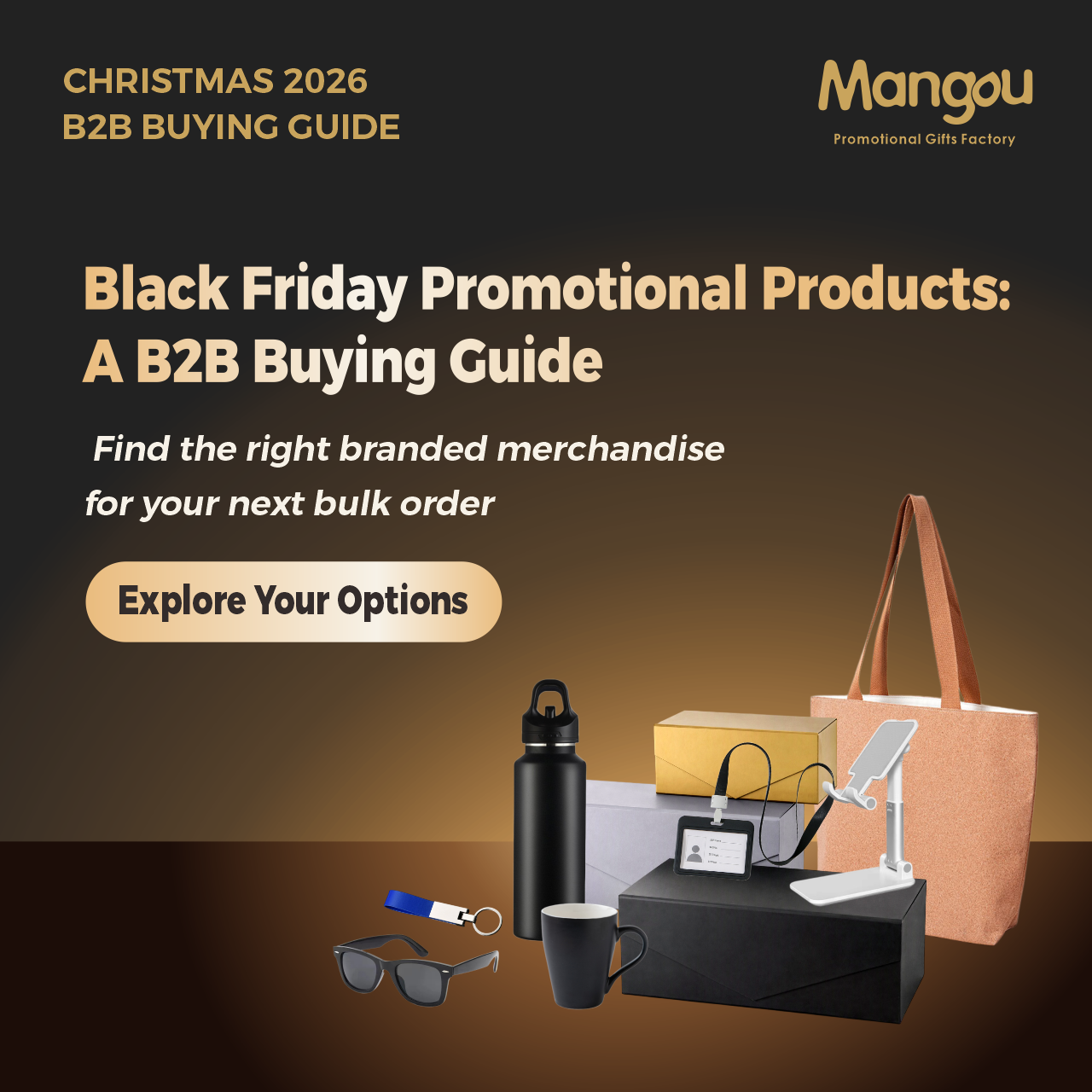
Black Friday Promotional Products: A B2B Buying Guide
Black Friday is usually associated with shoppers chasing discounts. For businesses, distributors, marketing agencies, and corporate procurement teams, the real opportunity is a little different: getting more value from the promotional products budget without compromising quality, branding, or delivery.
As Black Friday and Cyber Monday approach on November 27 and November 30, 2026, many businesses will be planning customer appreciation campaigns, employee gifts, retail promotions, event merchandise, and year-end marketing activities. The challenge is not simply finding a lower unit price. It is finding products that fit the audience, arrive on time, and represent the brand well.
A discounted product that nobody uses is not a bargain. A well-chosen branded item that stays in someone’s daily routine can continue creating brand impressions long after the campaign has ended.
Here is how B2B buyers can approach Black Friday promotional products with a stronger procurement strategy.
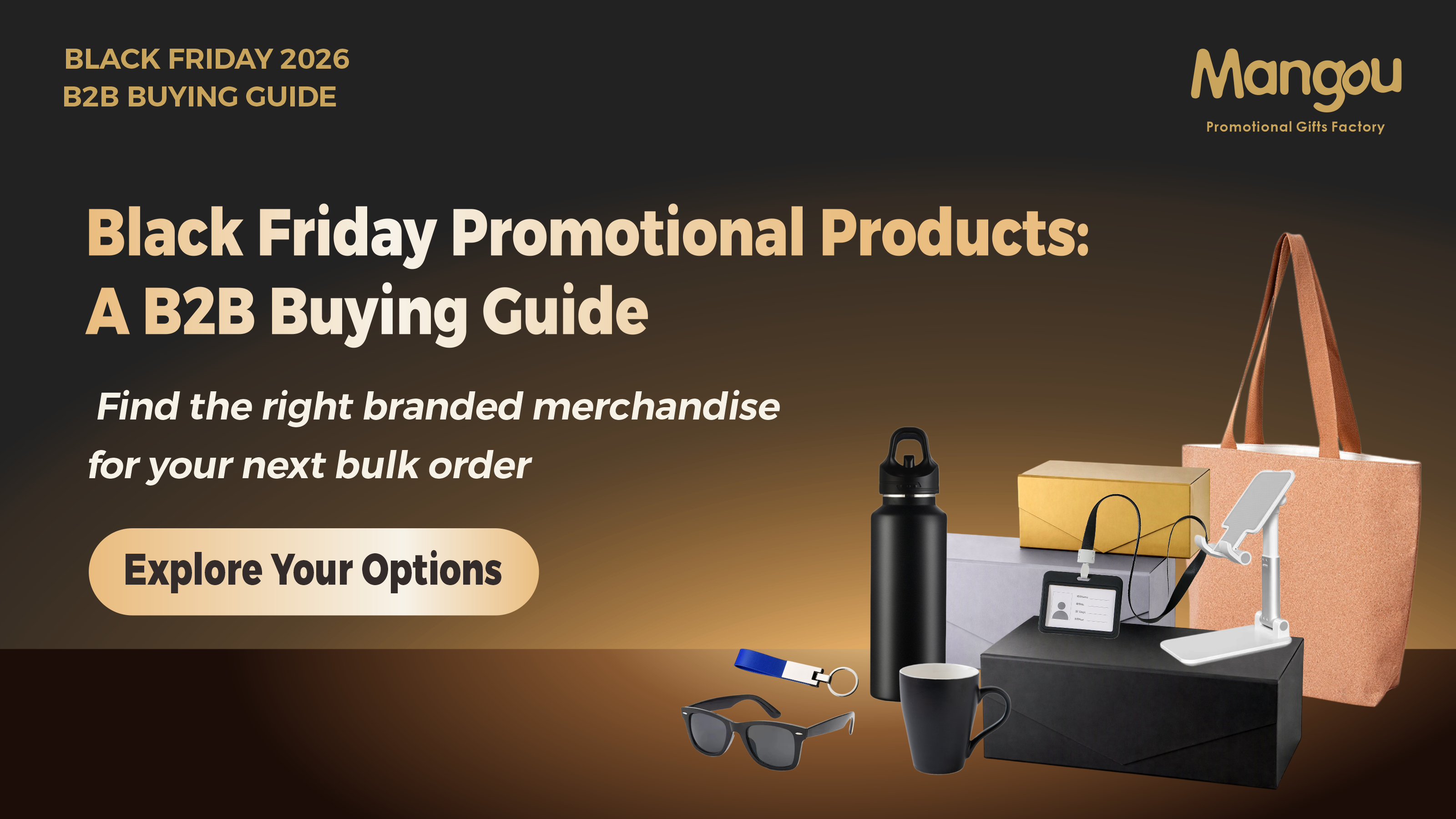
1. Start With the Campaign, Not the Product
One of the most common sourcing mistakes is starting with a product catalog before defining the order's purpose.
Ask three questions first:
- Who will receive the products?
- What should the campaign achieve?
- When and where must the products be delivered?
A customer appreciation campaign may call for a coordinated gift set. A trade show may require practical, easy-to-distribute items. An employee onboarding program may need branded drinkware, stationery, bags, or a welcome kit.
The same product can perform very differently depending on its audience and context.
PPAI’s October 2026 research found that end buyers most commonly associate branded merchandise with customer appreciation (62%), brand recall or staying power (58%), and trust or credibility (53%). These findings reinforce an important procurement point: merchandise is not just an item to distribute. It is part of the recipient’s experience with the brand.
Promotional Products Association International
2. Compare the Total Order Cost, Not Just the Unit Price
A low advertised price can be misleading when a bulk order involves customization, packaging, freight, or multiple suppliers.
Before comparing quotations, make sure you understand what each price includes.
|
What B2B buyers should confirm | |
| Product price | Is the quote based on the same specification and quantity? | |
| Logo customization | Is printing, engraving, embroidery, or another method included? | |
| Artwork setup | Are there setup fees or design charges? | |
| Packaging | Is individual or gift-box packaging included? | |
| Samples | Are sample costs and sample lead times clear? | |
| Freight | Is shipping included, and to what destination? | |
| Delivery timing | Is the timeline for production only or production plus shipping? | |
| Order changes | What happens if artwork, quantity, or specifications change? |
A useful way to compare suppliers is to request a quotation based on one shared product specification. That makes it easier to spot cost differences without overlooking hidden variables.
For distributors and agencies, transparent pricing also makes it easier to build a reliable client proposal and protect the project margin.
3. Choose Products People Will Actually Keep
The best promotional product is not necessarily the most expensive one. It is the one that makes sense for the recipient.
Think about usefulness, durability, design, and relevance.
Branded drinkware: Water bottles and tumblers can work well for employees, customers, events, and retail promotions. Confirm material, capacity, lid design, decoration area, and packaging.
Custom bags: Tote bags, reusable shopping bags, and event bags can offer practical everyday use. Consider material, carrying capacity, stitching, and how the logo will appear.
Office and stationery sets: Notebooks, pens, desk accessories, and coordinated office gifts can suit corporate gifting, onboarding, and client appreciation.
Custom gift boxes: A curated collection can create a more complete experience than a single item. The products, colors, packaging, and branding should feel consistent.
Event merchandise: Lanyards, keychains, caps, wristbands, and other branded items can support trade shows, campaigns, and community events. The right selection depends on how the product will be distributed and used.
PPAI research published in October 2026 reported that 79% of surveyed end buyers cited high quality as a reason branded merchandise is worth keeping. Poor quality was the leading reason for discarding merchandise, cited by 59%. The implication is straightforward: quality is part of the campaign’s marketing performance, not merely a production detail.
Promotional Products Association International
4. Do Not Let a Discount Decide Your Quality Standard
Black Friday pricing can encourage buyers to focus on unit cost. But when products carry a company logo, the recipient’s experience reflects on the brand.
Before confirming a bulk order, review:
- Material and product specifications
- Logo size, placement, and color
- Print, embroidery, or engraving quality
- Product consistency across the order
- Packaging and protection during transit
- Sample approval before mass production
For custom products, artwork approval should be a clear milestone. A mockup helps confirm the intended design, but a physical sample may be important when material, texture, size, or decoration quality is critical.
It is better to identify a problem before production than to discover it after hundreds or thousands of items have been completed.
5. Plan the Timeline Backward From the Delivery Date
Black Friday and Cyber Monday are not the only deadlines to consider. Many B2B buyers need products ready for holiday events, year-end gifts, employee recognition, or client campaigns.
Work backward from the date the products must be in hand.
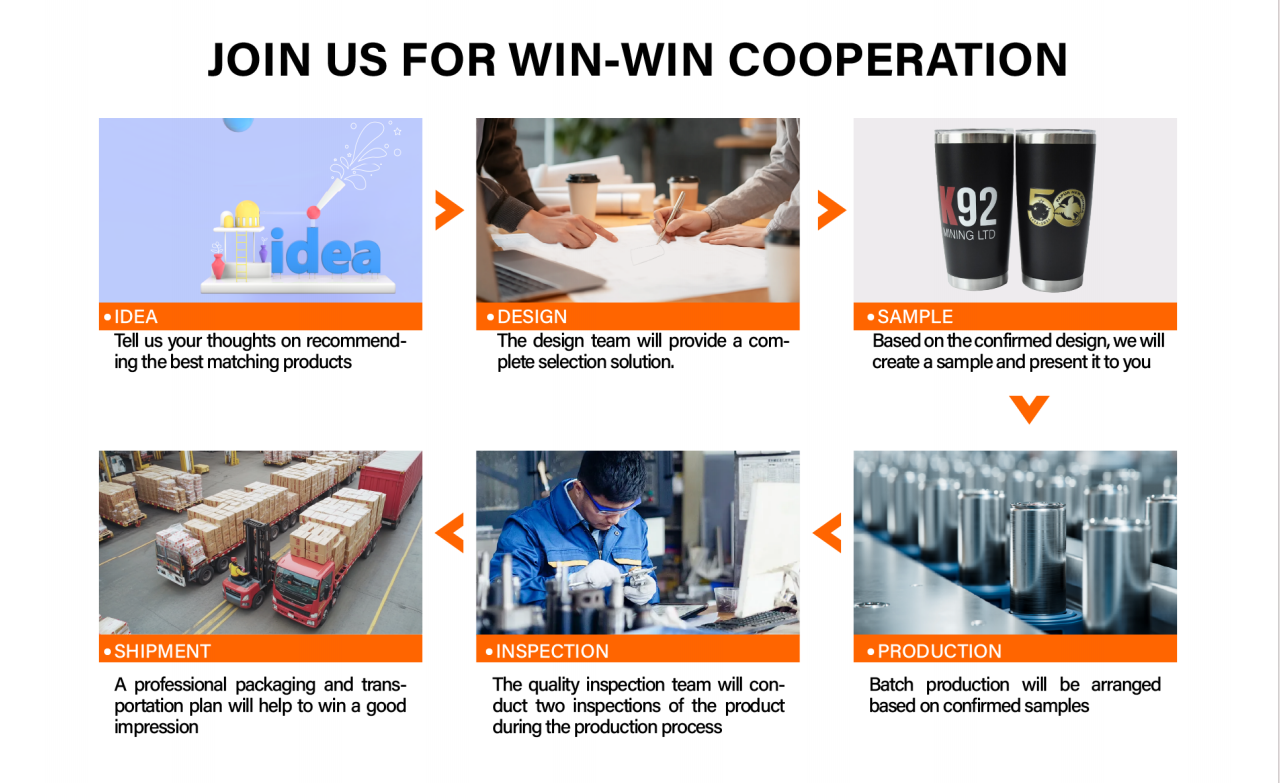
A typical planning sequence includes:
- Confirm campaign purpose, budget, quantity, and destination.
- Shortlist products and request comparable quotations.
- Approve product specifications and artwork.
- Review samples if required.
- Confirm the production schedule and shipping plan.
- Allow time for quality checks and delivery.
- Prepare distribution or fulfillment.
Customized products generally require more planning than ready-stock items. Ask suppliers to distinguish production lead time from transit time, and confirm whether the timeline is based on artwork approval, deposit, or another starting point.
Do not rely on a vague “fast delivery” promise. Ask for the specific schedule that applies to your order.
6. Ready Stock or Customized Merchandise?
Both options can make sense during the Black Friday season.
Ready-stock merchandise may be useful when timing is tight, the product is already suitable, or the campaign needs a straightforward solution.
Customized products may be a better fit when branding consistency, audience relevance, campaign identity, or a coordinated gift collection matters.
For a distributor or agency managing several client projects, the decision may also depend on whether products need to be sourced from one supplier or multiple vendors.
The goal is not to customize everything. It is to choose the sourcing approach that fits the campaign’s purpose, schedule, and budget.
7. Use One-Supplier Sourcing to Simplify Multi-Product Orders
When a project includes drinkware, bags, stationery, apparel, and gift packaging, managing multiple suppliers can create extra coordination work.
A one-stop promotional products supplier can help consolidate product sourcing and branding requirements. Buyers should still confirm the specifications, production schedule, quality-control process, and shipping arrangements for each item.
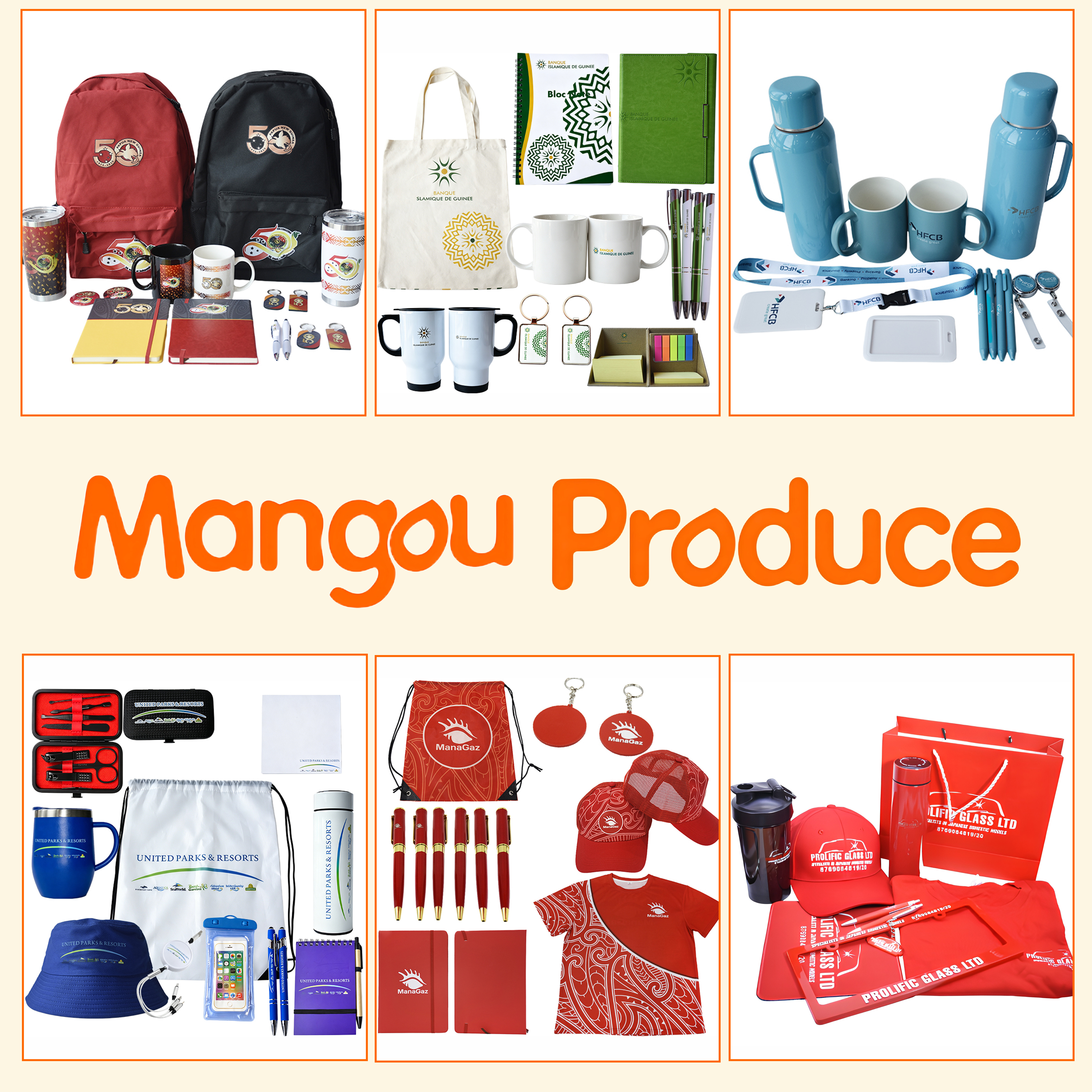
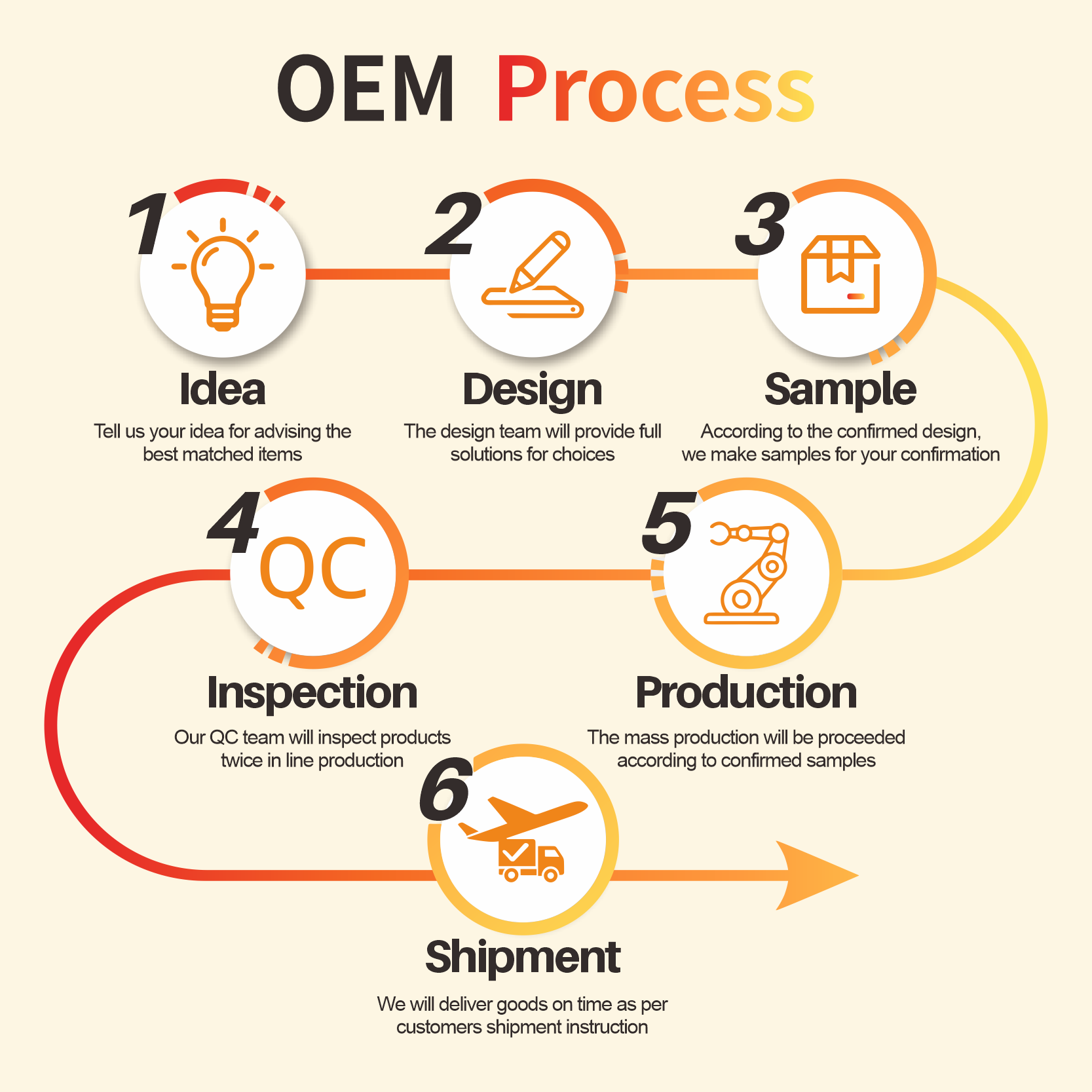
At Mangou, we support B2B buyers with customized promotional products, branded gift collections, and bulk sourcing. Our process can include logo artwork, product customization, mockup review, and quality checks through production.
For buyers planning a Black Friday or year-end campaign, a clear project brief helps us evaluate the most suitable options.
Your Black Friday Bulk Order Checklist
Before requesting a quotation, prepare:
- Product category or gift-set concept
- Estimated quantity
- Logo file and branding requirements
- Target recipient or campaign
- Packaging requirements
- Delivery destination
- Required in-hand date
- Budget range, if available
The more clearly these details are defined, the easier it is to compare options and move toward an accurate quotation.
Make Your Black Friday Budget Work Harder
Black Friday promotional products should do more than fit a discounted price. They should fit the audience, support the campaign, and arrive ready to represent your brand.
Whether you are sourcing corporate gifts, custom merchandise for an event, or a multi-product branded collection, start with the campaign requirements and evaluate suppliers on the full order—not just the headline price.
Planning a bulk promotional products order for Black Friday or year-end campaigns?
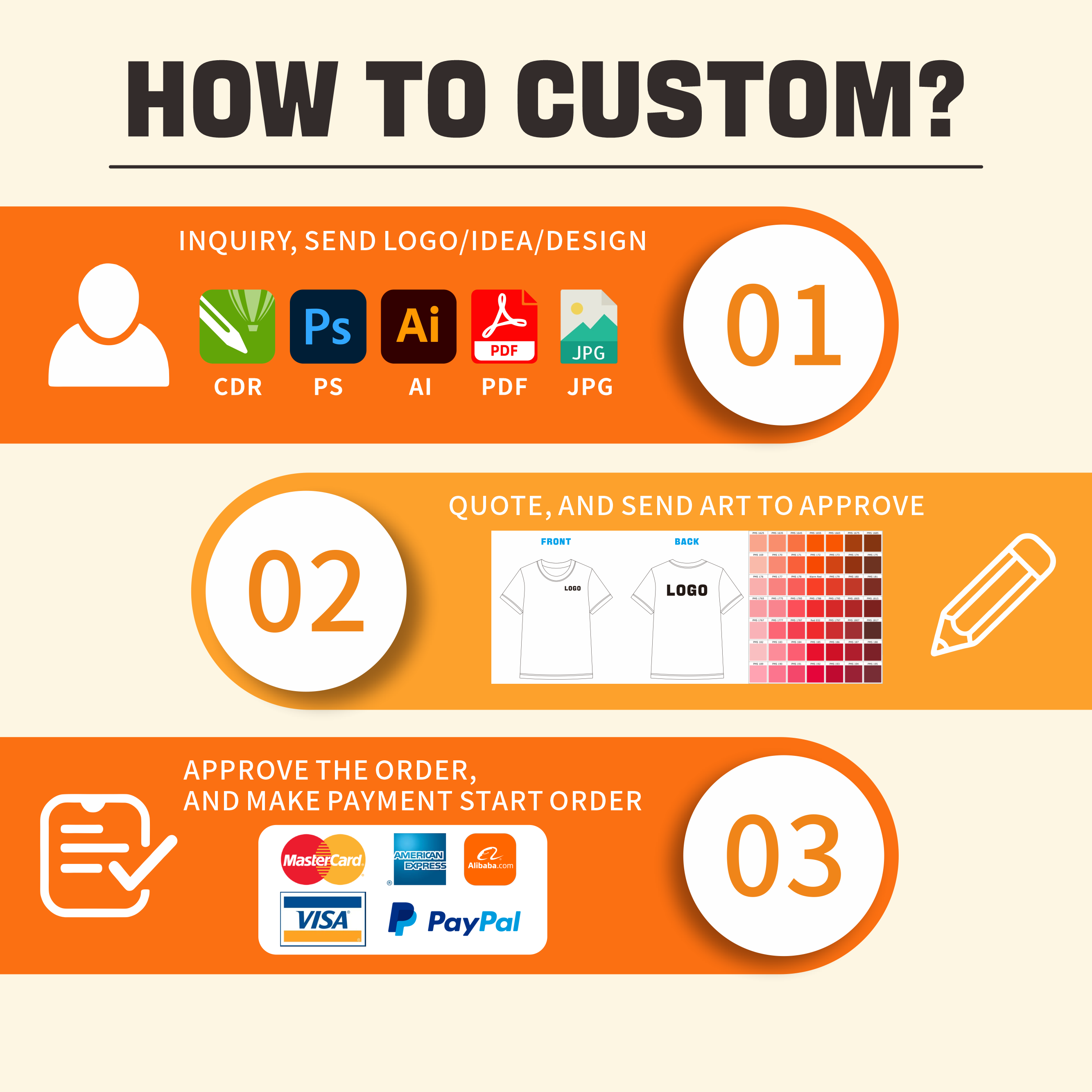
Contact Mangou at mangoupromo.com with your product ideas, quantity, logo requirements, and delivery deadline. We can help you explore customized promotional products and gift collection options for your project.
Table of Contents
-
Black Friday Promotional Products: A B2B Buying Guide
- 1. Start With the Campaign, Not the Product
- 2. Compare the Total Order Cost, Not Just the Unit Price
- 3. Choose Products People Will Actually Keep
- 4. Do Not Let a Discount Decide Your Quality Standard
- 5. Plan the Timeline Backward From the Delivery Date
- 6. Ready Stock or Customized Merchandise?
- 7. Use One-Supplier Sourcing to Simplify Multi-Product Orders
- Your Black Friday Bulk Order Checklist
- Make Your Black Friday Budget Work Harder